
-
Your shopping cart is empty!
Choosing a booth size can feel simple until the team starts planning what needs to happen inside the space. Staff need room to greet visitors, graphics need enough visibility from the aisle, and the layout needs to make conversations feel natural.
Having a booth that looks good on paper can feel cramped on the show floor if the size does not match the goal. A stronger plan starts by considering how the team will use the space during the event, which makes selecting the trade show booth size and layout easier.
Booth size shapes the kind of experience a company can create on the show floor. A smaller space can still feel sharp when the message stays focused. However, a larger space can give the team more room to guide conversations, but it still needs a clear plan. Here are some of the common shapes and sizes:
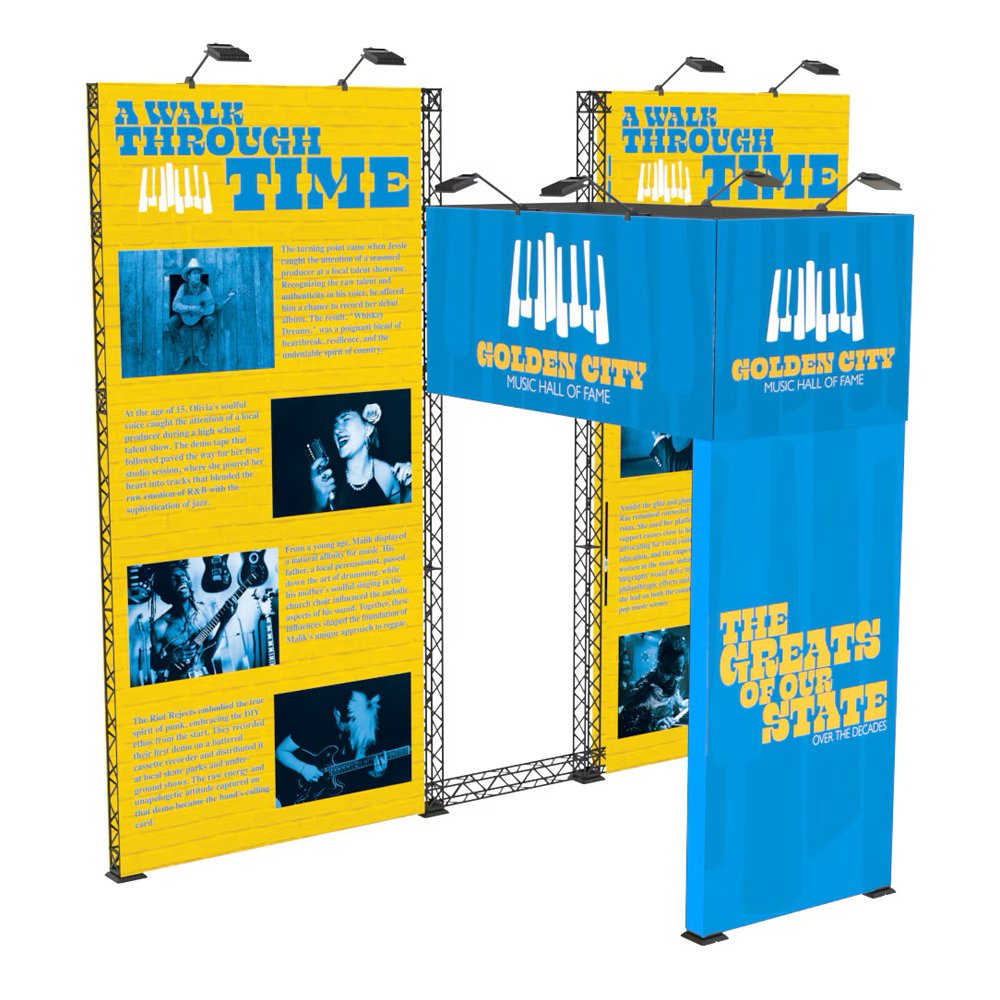
A 10x10 booth works best when the team has one clear message to share. The space may be compact, but it can still create a polished presence when the backdrop carries the main visual and the floor stays easy to enter. Instead of adding extra display pieces, the layout should give each element enough room to stand out. That restraint helps the booth feel open once staff begin talking with visitors.
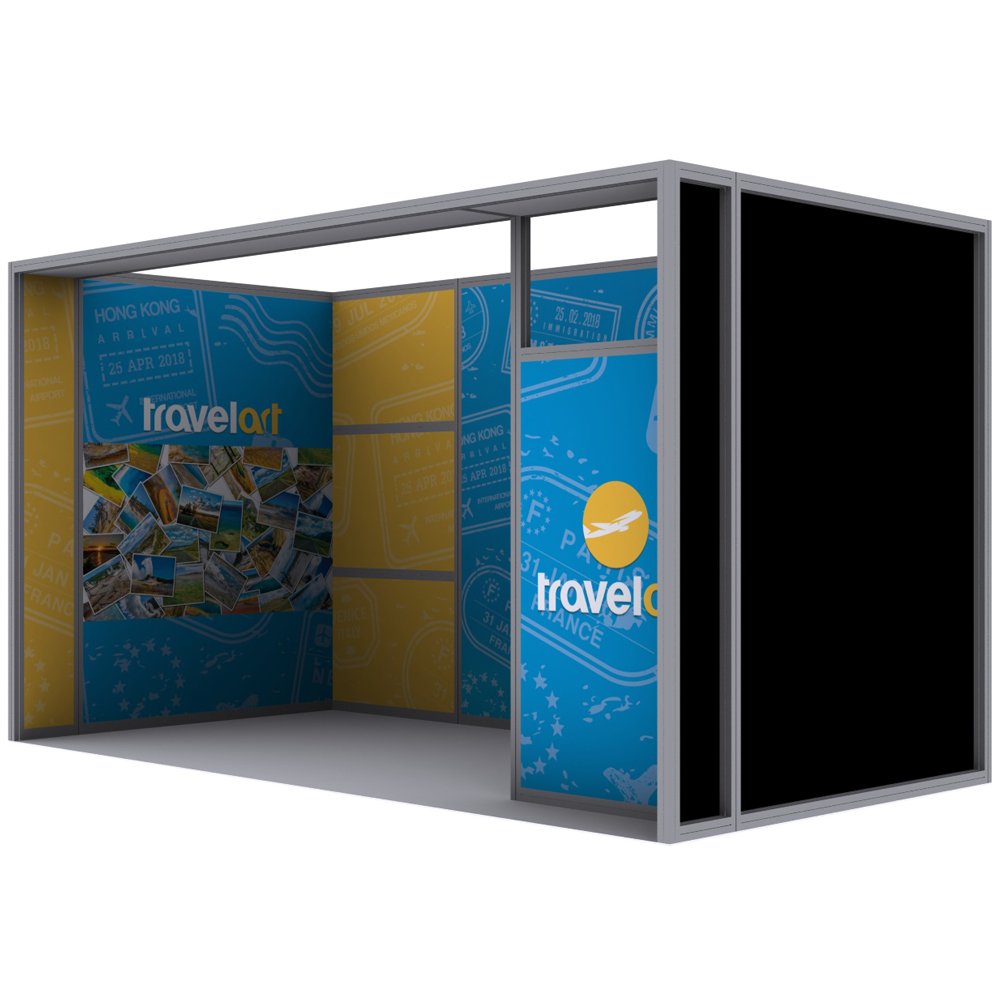
A 10x20 booth gives the brand more room to create a stronger presence in the aisle. The added width can make the booth feel more open, which helps visitors approach without feeling crowded. It can also give staff more space to talk with attendees while keeping the main display visible. This size works well when the company wants the booth to feel more developed without moving into a much larger footprint.
Island and peninsula booths can create a polished impression, but they need careful structure. Visitors may approach from multiple sides, so the layout should make the next step feel obvious. For instance, having a central display area or clear conversation point can help people understand where to go first. With that sense of direction, this type of booth can feel inviting instead of scattered.
Visitors should be able to understand the entry point before they reach the booth. When a counter sits too close to the aisle, the space can feel harder to enter, even if the display looks polished. A better layout gives people a clear path forward while leaving staff enough room to greet them naturally. Here are a few layout details that can improve movement:
A booth has only a brief moment to earn attention from the aisle. The brand name should appear where people can see it as they pass, and the main message should be simple enough to understand without slowing down. When the display communicates quickly, the booth can stand out without adding visual clutter.
The graphics should also fit the space. A smaller booth usually works best with one strong message that gives visitors a clear reason to stop. A larger booth may allow more height or a more dramatic focal point, but the design still needs restraint. Clarity should guide every visual choice.
Placement matters as much as the graphic itself. A bold design loses impact when furniture blocks the message or places it below the natural sightline. When the layout gives the main visual enough space, the display can look polished and easy to read from the aisle.
When selecting the trade show booth size and layout, you should also ensure the booth is big enough for people to interact without feeling crowded. Staff should have room to greet attendees, step into conversations, and remain visible without blocking the display. When the layout supports the team, the booth feels more confident and easier to approach.
The number of staff members should match the booth size. A compact booth can feel closed off when too many people stand near the front. A larger booth can feel empty when the team spreads out too much. Planning the staff area helps the space feel active without becoming crowded.
The layout should also match the type of conversation the team wants to have. Quick interactions need an open front so visitors can stop without feeling trapped. Longer conversations need a place where people can pause away from the aisle. When the booth gives each conversation enough room, visitors can engage more comfortably.
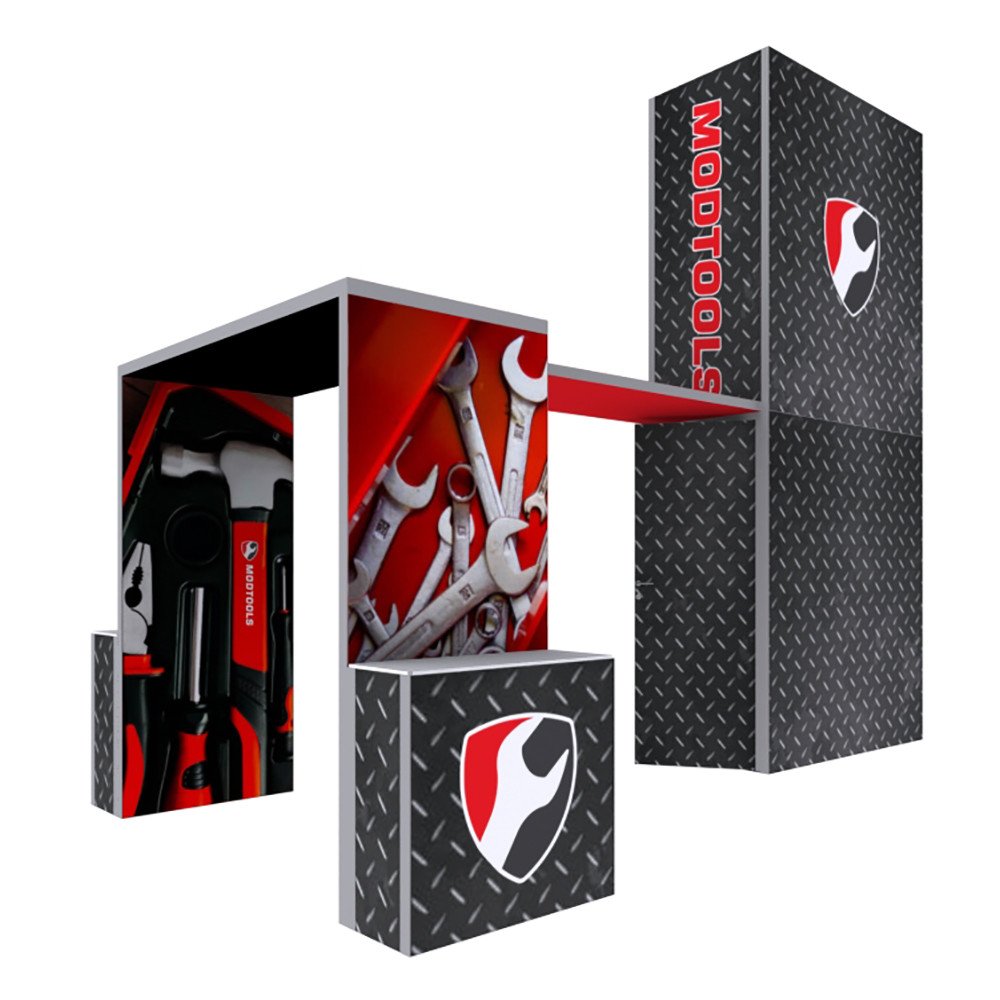
Many companies attend multiple events each year, so the booth should be adaptable for future use. A layout that works for one show may need adjustment for another floor plan. Flexible display pieces can help the team adapt without having to start over. This matters when the company wants a consistent look across different venues.
Modular display choices can give teams more control over booth planning. They can adjust the setup when the space changes. This helps the booth stay useful as event needs shift. A flexible approach can also help the team preserve the display's value over time.
The team should think about transportation before choosing a larger setup. A booth that looks impressive still needs to move from one venue to the next. The setup should also make sense for the people who will handle it. Practical planning helps the booth look polished without creating unnecessary stress.
Every trade show has its own exhibitor guidelines. These rules can affect booth height and display placement. They can also shape what the team can place near the aisle. Reviewing the rules early helps the team avoid last-minute layout changes.
The floor plan also deserves careful attention. A corner location may need a different layout than an inline booth. A booth near a main aisle may benefit from stronger side visibility. The team should match the layout to the actual space rather than planning solely by size.
Electrical access can also influence the final setup. Screens and lighting need the right placement to work well. If the team plans those details early, the booth can look cleaner on show day. Good planning keeps the layout both practical and attractive.
The right booth size should help the brand look polished and work smoothly during the event. The layout should guide visitors naturally while giving staff enough room to connect. When the team plans with purpose, the booth can support the event goal without feeling crowded.
Display Shop USA has pop-up display walls can give the booth a clean branded backdrop while keeping the space easy to approach. You can use our displays to create a polished booth presence without overcomplicating the setup. A thoughtful display can help the brand stand out while keeping the experience clear.
Write a Comment